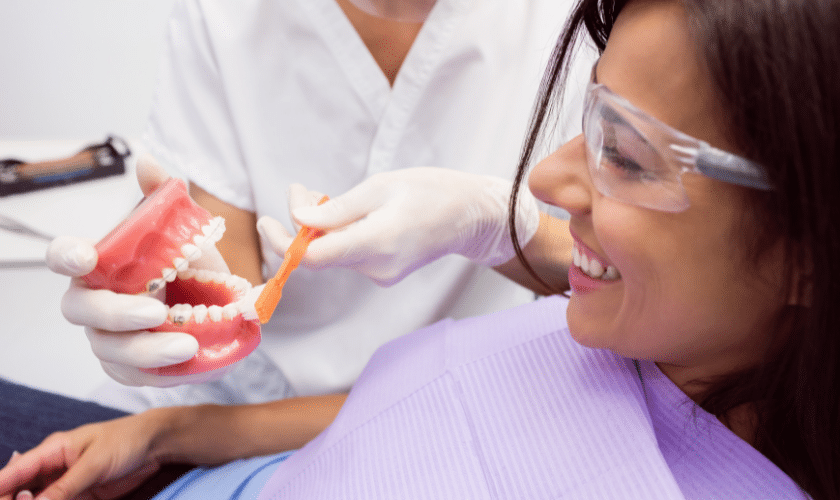

Losing teeth can impact more than just your smile. It affects chewing, speaking, and even the health of your jawbone. Many people turn to partial dentures as a solution to replace missing teeth, but a common concern arises: do these dental appliances contribute to bone loss over time? This blog dives into this question, offering clear, actionable insights to help you make informed decisions about your oral health.
Understanding Partial Dentures and Their Role
Partial dentures are removable dental prosthetics designed to replace one or more missing teeth. They are typically made from materials like porcelain, metal, or acrylic, crafted to blend seamlessly with your natural teeth. These devices rely on the remaining teeth for support, using clasps or other mechanisms to stay in place. They restore function and aesthetics, allowing you to chew and smile confidently.
However, unlike natural teeth, partial dentures sit on top of the gums rather than anchoring into the jawbone. This distinction raises questions about their impact on bone health, as the jawbone requires stimulation to maintain its density and strength.
How Jawbone Health Works
The jawbone, like other bones in your body, thrives on stimulation. When you chew, the pressure from your teeth signals the bone to stay strong and dense. This process, called bone remodeling, relies on the roots of your teeth to transmit force to the jawbone. When teeth are missing, the lack of stimulation can lead to bone resorption, where the body breaks down and absorbs bone tissue.
Bone loss can cause facial changes, such as a sunken appearance, and may affect the fit of dental appliances over time. Factors like periodontal disease, trauma, or tooth extractions can also contribute to this issue, making it critical to address missing teeth promptly.
Do Partial Dentures Cause Bone Loss?
Partial dentures in Moorhead, MN, are a popular choice for replacing missing teeth, but they don’t fully mimic the function of natural tooth roots. Since they rest on the gums, they provide limited stimulation to the underlying jawbone. Over time, this lack of direct pressure can contribute to bone loss, though the extent varies based on individual factors like oral hygiene and denture fit.
Research suggests that partial dentures may slow bone resorption compared to having no teeth at all, but they don’t prevent it entirely. The remaining natural teeth play a vital role in providing some stimulation, which can help maintain bone density to an extent. However, if the dentures are ill-fitting or not used properly, they may exert uneven pressure, potentially accelerating bone loss in certain areas.
Factors That Influence Bone Loss with Partial Dentures
Several factors determine how partial dentures affect your jawbone:
- Fit and Maintenance: Poorly fitting dentures can cause irritation or uneven pressure, leading to faster bone resorption. Regular adjustments ensure a snug fit, reducing discomfort and supporting bone health.
- Oral Hygiene: Gum disease, if untreated, can worsen bone loss. Maintaining good oral hygiene is essential to protect both your gums and jawbone.
- Chewing Habits: Actively using your dentures to chew can provide some stimulation to the jawbone, though less than natural teeth or implants.
- Remaining Teeth: The health of your natural teeth supporting the partial denture is crucial. If these teeth weaken due to decay or gum disease, the denture’s stability and bone health may suffer.
Visiting a local Moorhead dentist for regular check-ups can help monitor these factors and ensure your partial dentures support your oral health effectively.
Alternatives to Partial Dentures for Bone Preservation
If you’re concerned about bone loss, consider alternatives that provide better stimulation to the jawbone:
- Dental Implants: These titanium posts act like tooth roots, fusing with the jawbone to prevent bone loss and offer a stable, long-lasting solution.
- Implant-Supported Dentures: These combine the benefits of dentures and implants, anchoring the prosthetic to implants for enhanced stability and bone preservation.
- Fixed Bridges: These are cemented in place and rely on adjacent teeth for support, offering more stability than removable partial dentures but less bone stimulation than implants.
Each option has unique benefits, so consulting with a dental professional can help you choose the best fit for your needs.
Trending FAQs on Partial Dentures and Bone Loss
Here are answers to some frequently asked questions about partial dentures and their impact on jawbone health, based on common queries:
- Can partial dentures prevent bone loss entirely?
No, partial dentures cannot fully prevent bone loss since they don’t stimulate the jawbone like natural teeth or implants. They may slow the process, especially when paired with healthy oral habits. - How often should I adjust my partial dentures to avoid bone loss?
Regular adjustments, typically every 1-2 years, help maintain a proper fit, reducing irritation and supporting bone health. - Are there ways to reduce bone loss while wearing partial dentures?
Yes, maintaining good oral hygiene, chewing actively with dentures, and taking calcium supplements can help minimize bone resorption. - Can I wear partial dentures if I already have bone loss?
Yes, partial dentures can be worn with bone loss, especially if supported by healthy natural teeth. Implant-supported options may be better for severe cases. - Do implant-supported dentures stop bone loss?
Implant-supported dentures stimulate the jawbone more effectively than traditional partial dentures, helping to preserve bone density.
Tips to Minimize Bone Loss with Partial Dentures
To protect your jawbone while wearing partial dentures, consider these practical steps:
- Ensure Proper Fit: Work with your dentist to adjust dentures regularly, preventing slippage or irritation that can worsen bone loss.
- Practice Good Oral Hygiene: Brush and floss daily, and clean your dentures thoroughly to prevent gum disease, which accelerates bone resorption.
- Chew Actively: Use your dentures to chew a balanced diet, as the pressure can provide some stimulation to the jawbone.
- Take Calcium and Vitamin D: These nutrients support bone health, reducing the risk of jawbone deterioration.
- Schedule Regular Dental Visits: Routine check-ups allow your dentist to monitor bone health and make necessary adjustments to your dentures.
| Factor | Impact on Bone Loss | Action to Mitigate |
|---|---|---|
| Denture Fit | Poor fit can accelerate bone loss | Regular adjustments every 1-2 years |
| Oral Hygiene | Gum disease worsens bone resorption | Daily brushing, flossing, and denture cleaning |
| Chewing Habits | Limited stimulation contributes to bone loss | Actively chew balanced foods |
| Nutrient Intake | Calcium/Vitamin D deficiency weakens bones | Include supplements or fortified foods |
| Dental Check-Ups | Unmonitored issues can escalate bone loss | Visit dentist every 6-12 months |
Maintaining Your Oral Health Long-Term
Preventing bone loss is a long-term commitment that goes beyond choosing the right dental appliance. Regular dental visits, a nutrient-rich diet, and proper denture care form the foundation of healthy jaws. If you’re experiencing discomfort or noticing changes in your denture fit, don’t wait—address these issues promptly to protect your bone health.
For those considering partial dentures or exploring alternatives, understanding your options is key. Dental implants or implant-supported dentures may offer better outcomes for bone preservation, but they’re not suitable for everyone. A thorough discussion with a dental professional can guide you toward the best solution.
Take Control of Your Dental Health
Your smile and jaw health are worth protecting. Whether you’re considering partial dentures or already wearing them, understanding their impact on bone loss empowers you to make informed choices. By maintaining good oral habits and exploring options like implants, you can safeguard your oral health for years to come. If you’re searching for a local Moorhead dentist to discuss your options or schedule a check-up, call (218) 236-5466 to book an appointment today. Take the first step toward a confident, healthy smile!